Table of contents
City streets are changing fast, and the numbers show it: across Europe, cycling keeps gaining ground as commuters look for cheaper trips, cleaner air, and faster door-to-door travel than cars can often deliver in congested cores. Yet the story of rental bikes is no longer just about sharing schemes and weekend rides, it is about a broader rethink of urban mobility, and a surprising bridge to mountain towns where travel patterns swing with the seasons. What happens when the logic of “rent, ride, return” reshapes how people move, and how destinations plan for demand?
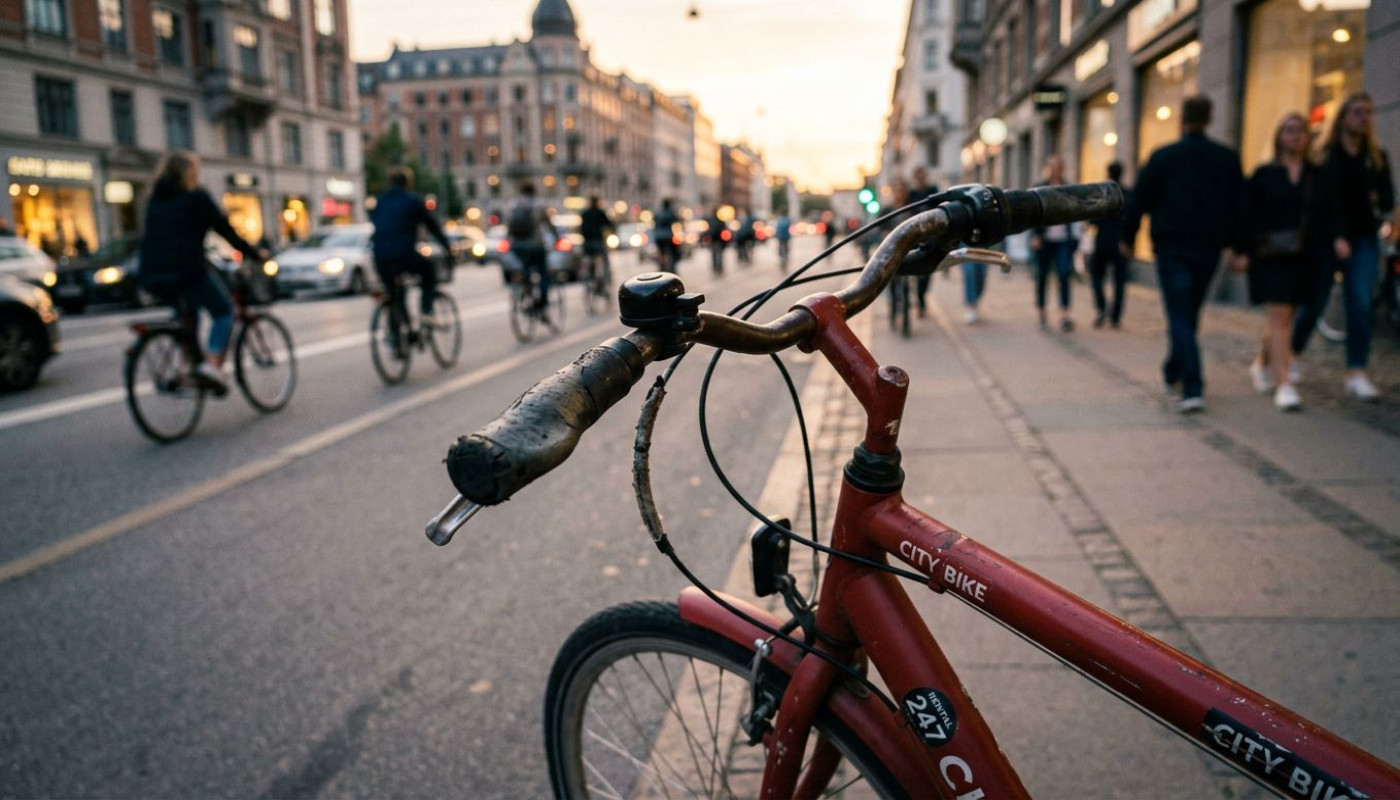
Rental bikes are now a commuting default
Forget the stereotype of the occasional leisure cyclist; in many cities, the rental bike has become a pragmatic tool, and the shift is measurable. Paris, for example, has expanded its cycling network dramatically over the past decade, and the city has reported sharp increases in cycling counts on key corridors since the pandemic period, with new protected lanes converting occasional riders into regular ones. London has continued to grow its cycling volumes on a long-term trend, even as commuting patterns fluctuate, and major employers increasingly treat cycling access as part of workplace planning rather than a perk.
Three forces keep pushing rentals into everyday life. First, cost and predictability: a bike, even rented, can beat the volatility of fuel, parking, and surge-priced rides; second, the “last mile” problem, because buses and metros rarely drop you exactly where you need to be, and third, time, as bikes often deliver the most consistent journey in dense areas. Cities also like the arithmetic: more cycling can mean less local air pollution, lower noise, and reduced pressure on public transport at peak hours, and that is why bike infrastructure spending has stayed high in many European budgets even during tighter fiscal cycles.
Convenience wins, but logistics decide everything
Rental bikes succeed when friction disappears, and fail when small irritants pile up. Riders may love the promise of instant access, yet the reality depends on batteries that charge, brakes that bite, tires that hold pressure, and docks or parking rules that do not turn a simple arrival into a scavenger hunt. Operators, for their part, fight a daily battle of redistribution, moving bikes from where they are left to where demand will spike, and that operational layer is where profitability and reliability are decided.
Data has become the quiet engine of the sector. Demand forecasting models, built from trip histories, weather, events, and transit disruptions, help predict whether a Monday morning will need an extra fleet near a station, and whether a sunny Friday evening will drain docks near parks and waterfronts. Cities increasingly insist on performance indicators too, from availability targets to maintenance response times, because a rental system that works only in affluent districts quickly becomes politically fragile. The result is a more professionalized market where the humble bicycle is treated less like a product and more like a service, with uptime expectations closer to public transport than to traditional retail.
From city grids to resort roads, rentals adapt
Urban mobility and alpine travel might sound like different worlds, yet they share a common problem: intense demand that arrives in waves, and a limited amount of space to absorb it. Mountain destinations face surges around weekends, school holidays, and snowfall, and the transport impact is immediate, with crowded access roads, overflowing parking, and pressure on local services. In that context, rentals are not merely a convenience; they can be a tool for managing flows, whether the vehicle is a bike in summer or a different form of rental gear in winter.
This is where the rental mindset becomes relevant beyond handlebars. Visitors increasingly expect to arrive light, rent on site, and switch modes depending on conditions, and destinations that streamline that experience reduce queues and capture spending that might otherwise leak to last-minute improvisation. In places like Verbier, where the winter economy revolves around access to the slopes, the same logic applies to equipment, sizing, maintenance, and fast turnaround, and travelers looking for ski rental verbier are often making a mobility decision as much as a shopping one. They are deciding how quickly they can get from accommodation to lift, how much hassle they will tolerate, and whether the destination feels frictionless or fragmented.
What the rental boom says about tomorrow’s cities
The deeper story is not that rentals are popular, it is that ownership is no longer the default assumption for moving around. Younger urban residents delay car purchases, employers concentrate in transit-rich districts, and municipalities tighten rules on emissions and parking, and in that environment a rental bike is part of a broader menu that includes public transport, walking, car clubs, and micromobility. The winners are the systems that integrate smoothly, with clear rules, safe infrastructure, and payment that does not feel like a patchwork of apps and fees.
There is also a policy lesson hiding in plain sight. When cities build safe lanes and enforce predictable street design, rental usage tends to rise; when they leave riders to negotiate high-speed traffic or confusing junctions, adoption stalls, no matter how many bikes are deployed. The next phase, already visible in some capitals, will focus on network quality, curb-space management, and accountability, with operators asked to prove they can maintain fleets, control parking, and share data responsibly. If the rental bike began as a symbol of spontaneity, it is becoming a test of urban governance, and a signal of how quickly a city can translate climate and health goals into daily habits.
Plan your trip, and keep it simple
Book early during peaks, and set a realistic budget for rentals, insurance, and possible add-ons; last-minute decisions often cost more and waste precious time. Check local and regional support schemes too, because some cities and employers subsidize cycling, and some destinations offer transport incentives that reduce the need for parking. Prioritize providers that confirm availability, sizing, and service terms in advance, and you will spend less time waiting, and more time moving.
Similar articles

Coaching Beyond the Court: Impact of Sports Mentors on Life

The Psychology of Extreme Sports: Risk, Reward and Reality
